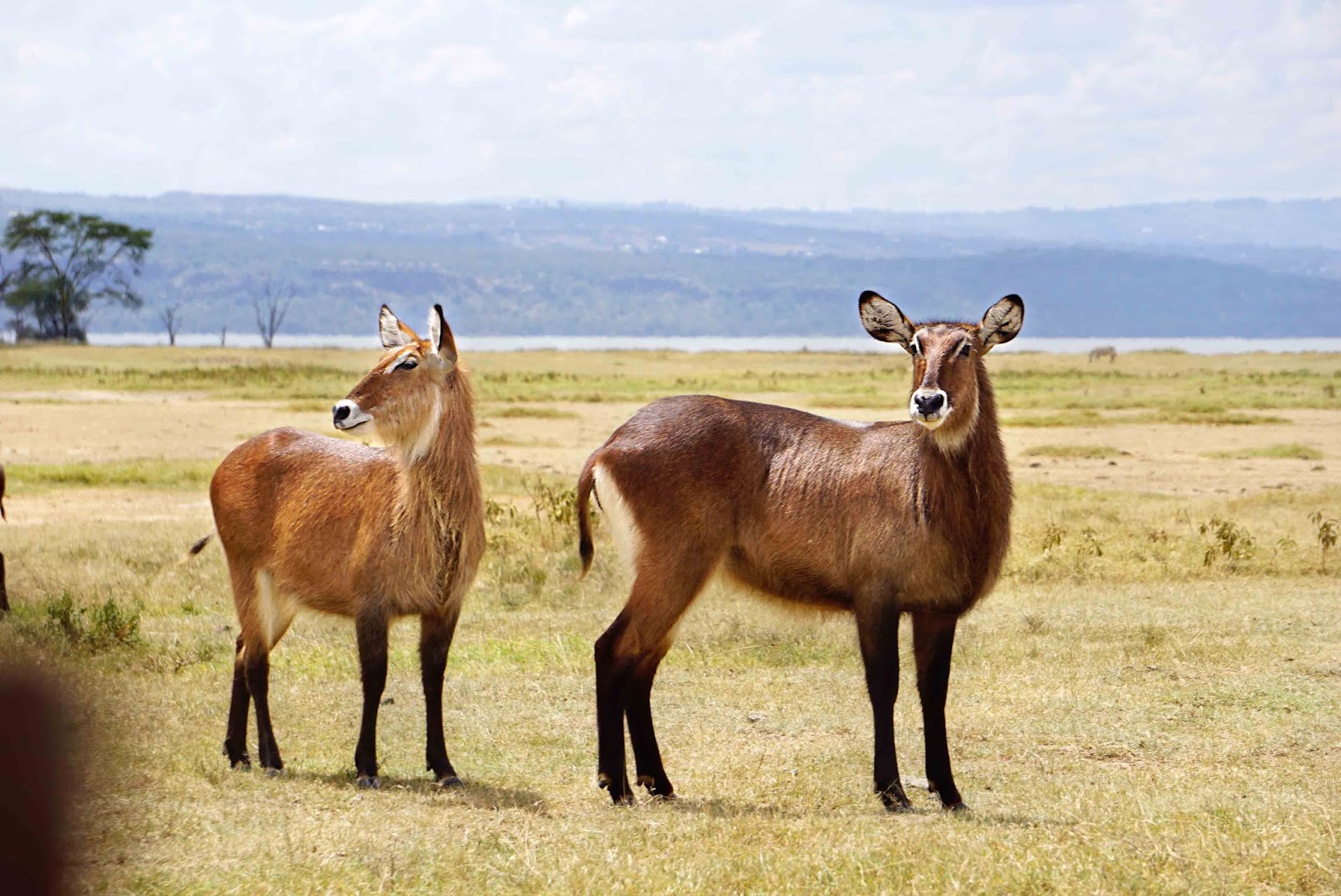
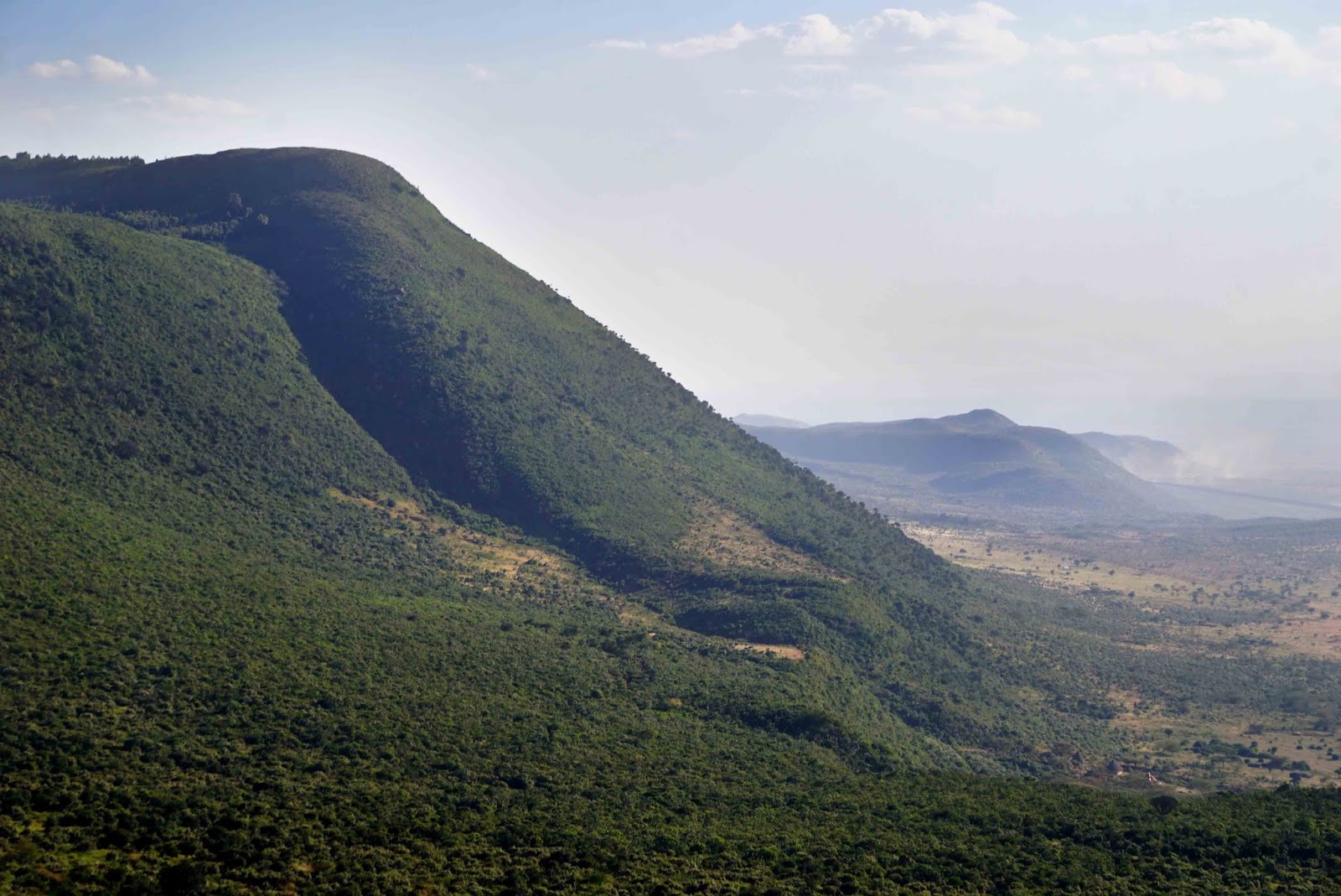
I know some of you have questions about our time in Africa. I figured I'd tell you a bit of the cultural differences we noticed before I get to our conversations with the Maasi.
One of the first things we noticed in Kenya were the men with rifles. At first it's intimidating, but then you come to understand it's mainly a preventative measure. From what I could tell, every business, hotel, restaurant, etc was protected by not only a barbed wire enclosure with metal gate, but also armed security. Speaking of armed security, taking photos of any government buildings (and I'm guessing, persons) is prohibited. Even looking towards non-government buildings with binoculars can throw security into a tizzy. Ask me how I know. It was a tense few minutes spent explaining what binoculars are and reassure them about what they don't do.

This is a residential gate.
There are a wide variety of languages spoken across Africa. The people of Kenya speak English for business and schooling and Kiswahili (also known as Swahili) for everyday situations and then their own tribal language at home and within their community. Uganda is different. They speak English, Luganda and their tribe's language, but historically choose not to speak Swahili, even though there is a push to make it an official language thru more of Africa. Their resistance has much to do with how Swahili was used by soldiers in the past.

The Maasi are a pastoral, nomadic people. They treasure their livestock (mainly cattle) as currency. They are loose, so someone must keep watch over them at all times and keep them safe from not only vehicles, but lions and hyenas. They move quite often to graze them on new land, avoid bad weather or if someone dies. In that case, they bury them the same day and move along. In the past, they'd been able to move freely about, so they didn't really understand land ownership and its value. In the early 1900s treaties began pushing them out of the areas as they became designated national parks. In more recent years, other people knowing the value of the land asked if they could build on their property. When they said yes, they lost their ownership rights. The new people built a fence so the Maasi's cattle can no longer graze on it. Kenya experiences some very difficult droughts. During a recent and particularly horrible drought, in an act of desperation as cattle were dying in huge numbers, some Maasi let their cattle graze on someone elses' property and every single one was shot per the new land owner. What a tragedy for people whose only means of income and survival is based on livestock!
When it's time to move, each family member gathers belongings, which for some is merely a cup, plate, blanket and bedding before moving on to the next place. When they decide to settle down again, the women build a small, circular hut out of sticks with grass roofs and held together with hot, fresh cow dung. The house has just enough room for two beds (cow skins) and one small hole for a window which is necessary since they burn fires inside.

It's common for men to have multiple wives. One of our new friends told us her father had five wives and 29 children. A normal routine for her as a child was to wake at 4am in order to walk 4km to school and arrive by 8am. When school was finished at 4pm, she began her journey home, often barefoot, keeping watch for lions and hyenas along the way. Wow, and in most of the United States it's illegal to merely leave a child under 12 alone safe at home for any amount of time! People walk everywhere here. Alongside paved roads are worn, dirt roads nearly just as wide for pedestrians. Other modes of transportation are boda bodas (motorcycles where you sit behind the driver), tuk tuks (three-wheeled motorized rickshaws) or of course, the automobile.
If someone kills a lion, it's a sign that they are very brave and they wear the skin of it. They will then become an elder of the tribe.
They sometimes drink a fermented concoction of cow blood mixed with milk.
A young Maasi will greet an elder by walking up to them and bending at the waist. The elder will then touch the head of the person with his or her palm.
As I was swatting flies from myself, I was told having flies on you is a sign of wealth as "flies don't come to nothing". Our new friend from South Sudan told us in his country there are tiny flies that go right for the eyes resulting in many people going blind because of this belief that you shouldn't swat them.
While there is a push to educate people in Kenya and Uganda to stop harmful traditional practices, they still occur. Female genital mutilation, using bone setters and the practice of using cow dung to seal a newborn baby's umbilical cord, commonly lead to infections, hydrocephalus and death. It's sad to see a few simple changes could stop so much hurting for those who refuse to let go of those long-held traditions. One thing is certain- change is difficult no matter where you live.